浮出水面
Climate Gambit: Chinese team develops ‘super brain’ to guide flood precautions using weather, hydraulic and terrain data_我的网站

一 |
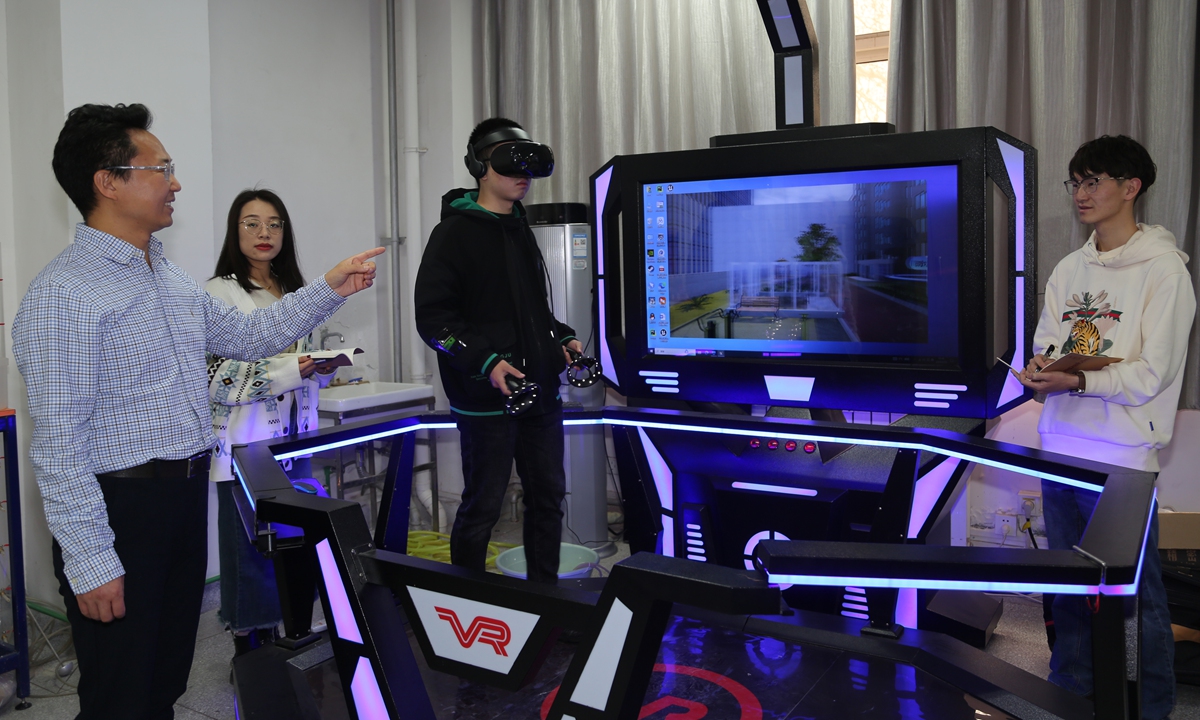
Students from Xi'an University of Technology test a virtual reality-enabled emergency evacuation simulation system tailored for flood disasters on January 12, 2024. Photos: Courtesy of Xi'an University of Technology
Editor's Note:Extreme weather is increasingly a global challenge, and the key to addressing climate risks lies in earlier prediction, more precise action and smarter preparedness, with emerging technologies playing a vital role. The Global Times launches the "Climate Gambit" series, exploring how research teams are leveraging cutting-edge technologies, including artificial intelligence, high-performance computing and smart observation systems, to anticipate weather changes, enhance disaster early-warning and strengthen resilience against climate risks.
Inside a state key laboratory at Xi'an University of Technology, Northwest China's Shaanxi Province, there is a miniature but complete "water world" which simulated water channels, inland lakes and main rivers to recreate real flood scenarios and test their newly developed GPU Accelerated Surface Water Flow and Transport Model (GAST).
Known as a "super brain" for flood control, GAST can complete flood simulations involving more than 3 million computational units within 30 seconds, helping transform flood management from a reaction to emergency into active precautions since "flooding impacts can be predicted even before rainfall arrives."
At a time when extreme rainfall and summer flooding have become increasingly frequent, questions such as when the flooding will arrive, which roads may be submerged and when residents should evacuate have become increasingly important.
In an exclusive interview with the Global Times, Hou Jingming, a professor at Xi'an University of Technology and the leader of the research team, explained how the GAST model seeks to answer these questions by accurately predicting flood development and identifying vulnerable areas before disasters occur, and how the model helps authorities take preventive measures to reduce casualties and economic losses.
AI empowering 'flood drill' The water tank system in the lab was designed to create a controllable, repeatable and observable environment to simulate complex hydrological processes, including river flooding, urban water level changes, lake regulation, drainage pump operations and coordinated flood-control measures.
By adjusting variations such as upstream water inflow, rainfall intensity, downstream water levels and drainage conditions, scientists can recreate different flood scenarios. Meanwhile, water levels, flow speeds and other data are collected in real time and displayed on a digital twin platform.
"If a rainstorm and corresponding floods are an exam, GAST is like a 'drill,'" Hou said. "It can simulate how floods develop, where water will flow, which areas may be inundated and when river levels may rise, ensuring authorities are well but not overly prepared."
To answer the public's concern about "whether my neighborhood will be flooded when heavy rain arrives," the team developed new algorithms for urban surface water flow, including improvements in terrain slope and friction calculations.
These breakthroughs have improved simulation accuracy in complex urban environments. Compared with extensive monitoring data, GAST can keep simulation errors of key hydrodynamic factors within 15 percent. This means the model can provide not only general flood trends, but also quantitative information such as water depth, flow speed and inundation areas.
Combined with AI technologies, it can identify complex relationships between rainfall, water conditions, flood depth, flow velocity and affected areas, cutting simulations from hours in traditional methods to minutes or even seconds.
The faster calculation capability means that once meteorological authorities update forecasts, the model can quickly estimate flood risks in different parts of a city.
"The earlier rainfall warnings are issued, the earlier we can identify potential flooding hotspots and high-risk areas," Hou said. "This saves valuable time for evacuation, traffic management and emergency deployment."
For smarter disaster response
Building an accurate flood prediction model also requires integrating large amounts of urban data other than weather forecasts, including urban terrain, drainage networks and infrastructure information.
For example, a model developed for Xi'an incorporates geographic data and drainage system information collected from relevant authorities and field surveys. After receiving rainfall forecasts, the system can quickly calculate possible flooding scenarios, showing when and where waterlogging may occur and highlighting vulnerable roads and areas through visual maps.
To demonstrate how the super brain works in case of possible flooding, the laboratory has set a virtual reality area where visitors can experience a simulated urban flooding evacuation in the Xiaozhai area of Xi'an. Wearing VR headsets, participants can see water levels gradually rising and follow emergency instructions to move toward higher ground.
The entire technological package has already been applied in real-world flood prevention.
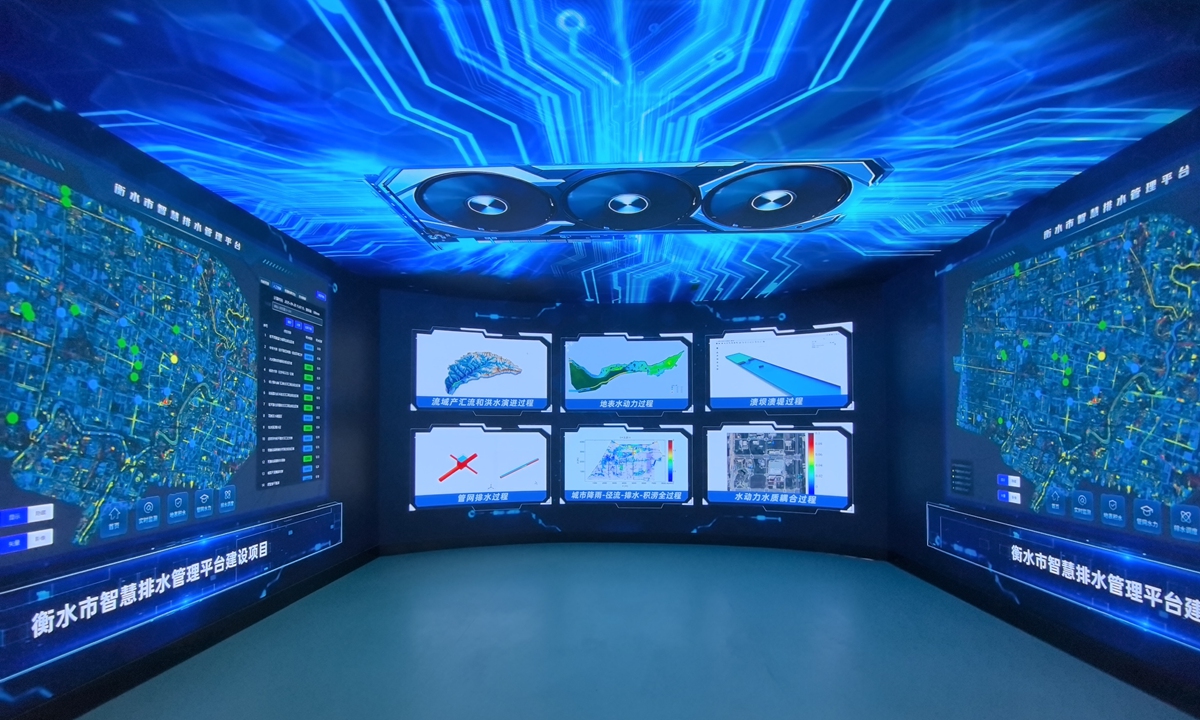
A 3D live-scene display lab in Xi'an that oversees stormwater drainage performance in Hengshui, North China's Hebei Province Photos: Courtesy of Xi'an University of Technology
During Typhoon Muifa in 2022, Haishu district in Ningbo, East China's Zhejiang Province, recorded a regional rainfall of 367 millimeters. Using GAST as its core technology, the local flood forecasting platform integrated weather forecasts, AI algorithms and real-time monitoring data to provide rolling three-hour flood risk predictions.
Post-event assessments showed that predicted risks at most locations matched actual flooding conditions. The average relative error between predicted and observed maximum water depths was 13 percent.
The GAST model was also integrated into a smart rain and flood management platform in Qinhan new city area in Xianyang of Shaanxi, and during a rainstorm warning in July 2022, the platform provided continuous monitoring and forecasts. Based on the results, local authorities shifted from routine inspections to targeted monitoring of flood-prone areas and optimized emergency drainage operations.
The model is also being applied to mountain torrent prevention, as it can simulate rapidly changing flows in complex terrain and, combined with machine learning, complete forecasts within seconds. For reservoirs and rivers, it supports sudden and gradual dam-break simulations.
In June 2026, the model was presented at a national symposium on flood risk mapping achievements. The technology has since been applied by water resources, emergency management and urban development authorities, expanding from Shaanxi to multiple provinces and regions across China.
Looking ahead, the research team is developing a framework that further keeps up with the pace focusing on AI technologies. "Currently, the system operates based on weather forecast, therefore, AI will increase efficiency by using historical cases and real-time monitoring data to correct errors and update forecasts dynamically," Hou said.
。
有最新报告指出,如今大学正面临一场严重的作弊危机:越来越多学生用生成式 AI 作弊,没人盯着的线上考试,直接被绕得干干净净,根本起不到考核作用。相关机构也提醒高校:这种无人监考的考试,在 AI 面前基本不堪一击,学生很容易就能钻空子。像 ChatGPT 这类 AI 工具,输几句话就能写出完整论文,现在学生用得特别普遍,已经给整个大学教育出了个大难题。
这份报告来自英国智库“政策交流”,他们直接呼吁英国大学:赶紧叫停没人监考的居家远程考试,AI 作弊的风险已经越来越高了。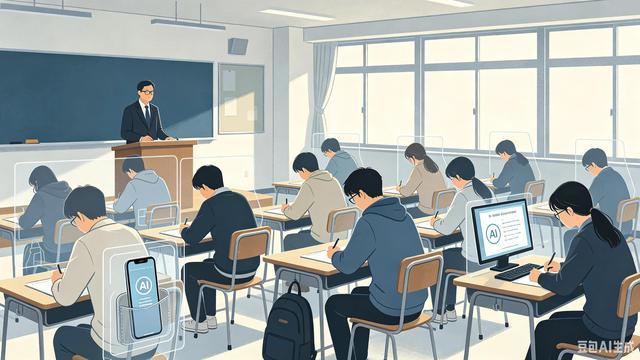
图源:豆包AI生成英国前商务大臣文斯・凯布尔爵士给报告写了序言,他说大学现在必须抓紧时间、大刀阔斧地改革考核体系,才能应对 AI 带来的挑战。

二 | 脆弱的考核方式文斯爵士警告,用 AI 作弊正在慢慢耗干大学学位的含金量,而且对老老实实守规矩的学生来说,实在太不公平,吃亏吃大了。

三 | 报告作者是斯旺西大学医学院的神经科学家菲尔・牛顿教授。他调研后发现,英国的大学根本没跟上 AI 时代,考核方式一点都没更新 —— 还在大量用容易钻空子的模式,比如带回家写的课程论文、无人监考的远程考试,反而不怎么推行有人监督的线下考核。2024 年,牛顿教授向全英国所有大学提交了信息公开申请,最后统计出:78% 的大学都在给学生安排线上远程考试,但只有 10% 的学校配了线上监考。所谓线上监考,一般就是考试时要求学生开摄像头、录屏幕,盯着有没有人作弊。
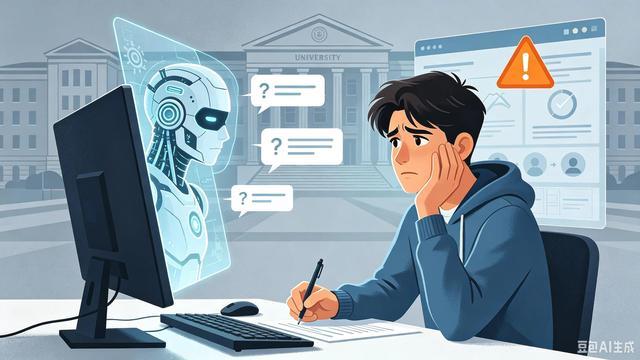
图源:豆包AI生成当时的数据还显示,有 70% 的大学打算接着沿用线上考核。

四 | 还有不少大学官网直接明说自己有线上考试,但半句不提监考措施。

五 | 而现在已经有好多研究证实,大学生用 AI 应付作业和考试,早就成了普遍现象。英国高等教育政策研究所今年 3 月的调查显示,94% 的学生都承认,自己完成课程考核的时候用过生成式 AI。牛顿教授在报告里说,如果大学还想在 AI 时代保住办学自主权和存在价值,就得从根上重新设计考核方式。他建议,无人监考的线上考试必须立刻叫停,大学得优先用那些经得住考验、不怕 AI 钻空子的考核方法。

六 | 老师也得好好培训他写道:“不管是线下还是线上、笔试还是其他形式,考核都得有人当面监督,这才该是常态。”除此之外,他还提了两个方向:一是得好好培训大学老师,让他们懂怎么设计靠谱、有效的考核;二是要给用人单位更详细透明的信息,说明毕业生当年是通过什么考核方式拿的学位。作为自由民主党前党魁,文斯爵士评价这份报告 “质量很高,来得也正是时候”。他在序言里写:“现在太多大学的考核体系,AI 一用就直接绕过去了,这么下去学位越来越不值钱,大学的教育作用也会被慢慢架空。”
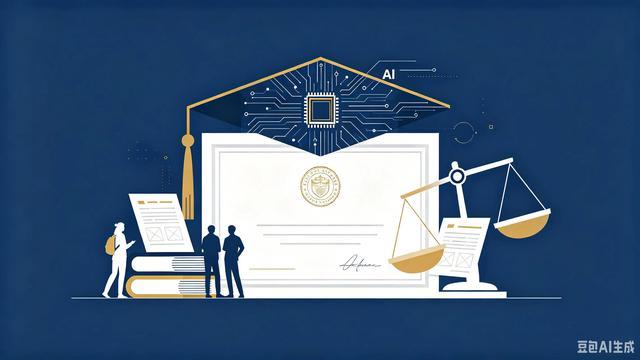
图源:豆包AI翻译“更关键的是,那些不肯用 AI 作弊、踏踏实实学习的学生,和愿意走捷径的人比起来,反而吃大亏。认真学习虽然难,但收获是实打实的,现在却因为作弊的人变多,变得没了优势。”“要想让公众还信得过学位的含金量,还认可高等教育的社会价值,高校就得赶紧大刀阔斧地改考核方式。除非远程考试能做到百分百安全,不然就该换回线下考试。”牛津大学奥里尔学院院长门多萨勋爵也支持这份报告,说它点出了 “威胁学位标准公正性的一大新问题”。他写道:“期末考核大量用无人监考的线上考试和居家论文,本质上就是在怂恿学生用 AI 作弊。对那些本本分分、守规矩的师生来说,这既不公平,也让人寒心。

七 | ”针对这份报告,代表英国 142 所高校的 “英国大学联盟” 发言人回应说:“学生、用人单位和公众能信得过大学颁发的学位,这一点至关重要。各大学都在积极和学生沟通,引导大家负责任地使用 AI;如果有人违反规则,学校也有完善的政策来处理。”
。
Current article:http://ou2.zhanggengsenchaiweikeng.cfd/vx1c/hlq.html
Published on:14:11:14


